
Erbil - 120 m St. New Hawler Qtr.
At Quest International College, our secondary curriculum is designed to provide a broad, balanced, and forward-thinking education that equips students with the academic knowledge, personal values, and practical skills they need for life beyond school.
It combines strong academic foundations with creative, cultural, and character-building opportunities — nurturing confidence, independence, and a lifelong love of learning.
Curriculum Intent – A learner-centred, inclusive approach that promotes curiosity, resilience, and academic excellence.
Organisation & Planning – Lessons blend visual, auditory, and hands-on learning styles, with flexible pacing and support for all abilities.
Curriculum Content – A rich mix of core and elective subjects aligned with the national and ministry frameworks, leading to IGCSEs at KS4 and advanced studies at KS5.
PSHE & Careers Education – Dedicated programmes to develop social awareness, personal wellbeing, and career readiness through events, workshops, and mentoring.
Assessment & Reporting – Regular assessments, both internal and external, ensure progress is recognised and parents are kept informed.
Inclusion & Equal Opportunities – Every student is valued and supported, with full access to the curriculum regardless of background or ability.
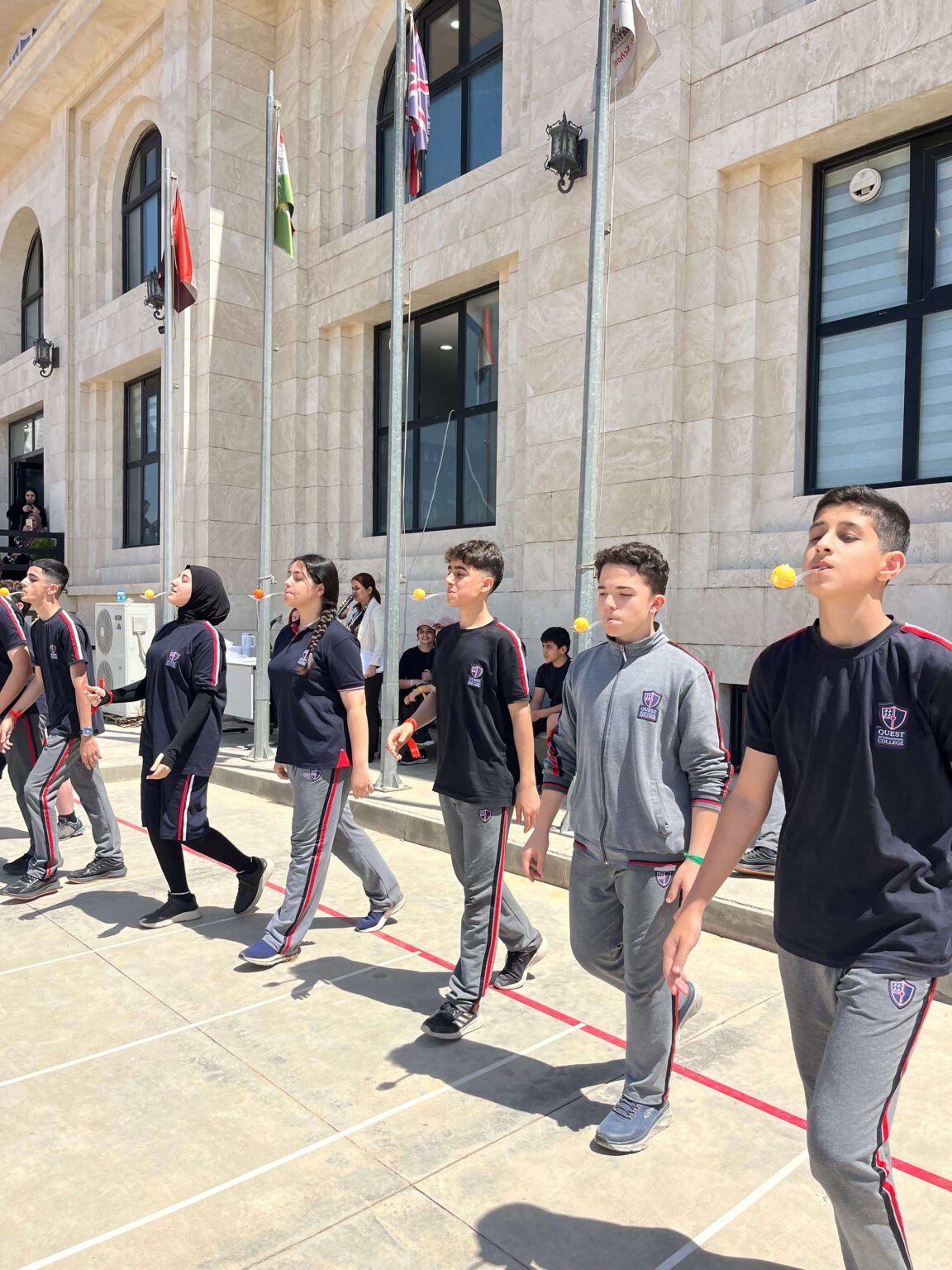
Extracurricular Enrichment – A variety of clubs, trips, and activities enhance learning and foster a sense of belonging and school spirit.
What subjects are taught in the secondary curriculum?
Students study a range of academic and ministry subjects including English, Maths, Science, ICT, Languages (Kurdish, Arabic), Geography, History, Art, Music, and PE, alongside PSHE and RSHE.
When do students choose their IGCSE subjects?
Subject choices are made in Year 9 (Key Stage 4), with further specialization in Year 11 (Key Stage 5).
How does the school support students with additional needs?
Students with SEND or EAL receive targeted support from teachers and teaching assistants, ensuring equal access to learning and resources.
How is career guidance provided?
Career education includes workshops, fairs, university visits, mock interviews, and mentoring, helping students prepare for future education and employment.
What extracurricular activities are available?